Who is this “Claude” in our commits?
You may have spotted Co-Authored-By: Claude in the history of one of our projects. No, it isn't a mysterious contributor who never shows up to meetings. Claude is an AI model made by Anthropic — a co-worker and the only colleague who is genuinely happy to write documentation.
First things first: we can still do this by hand
We have been writing software for more than 25 years — long before any model could autocomplete a semicolon. We still write code by hand, we read every line that goes in, and we like to think we know what we are doing. Nobody here needs an AI to find the bug. We just enjoy it when someone else reads the stack trace first.
What changed
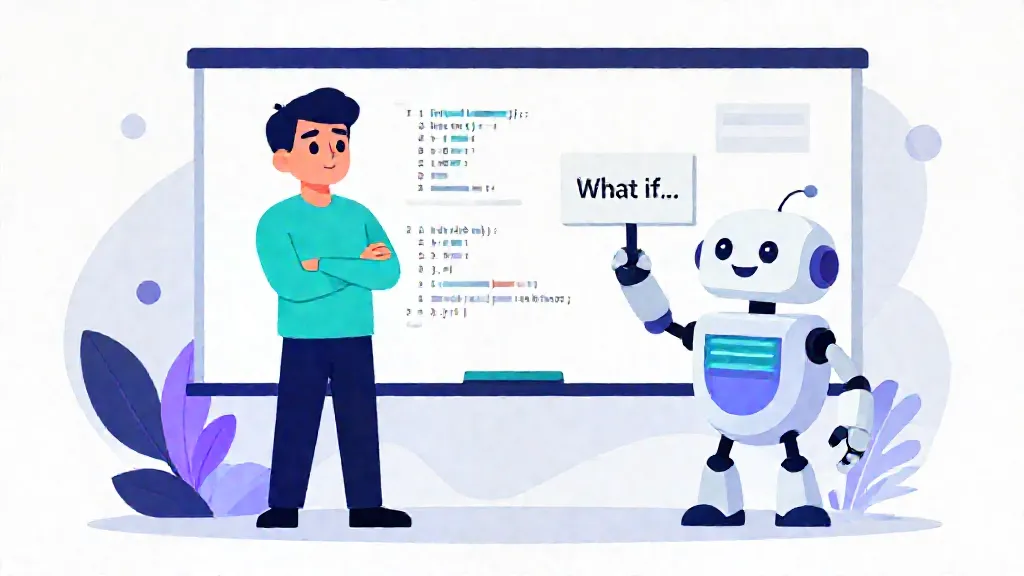
A lot — and for the better. In 2026, every piece of code here gets discussed before it is written. With a colleague who never gets tired, never takes it personally and has read more documentation than anyone should. We argue. Usually we win. Sometimes the model's idea is simply better — and then we take it, because 25 years of experience also teach you when to stop defending your own.
Where a lot of our software starts
Sometimes it is annoying what an LLM can't do yet. That is where a lot of our software starts.
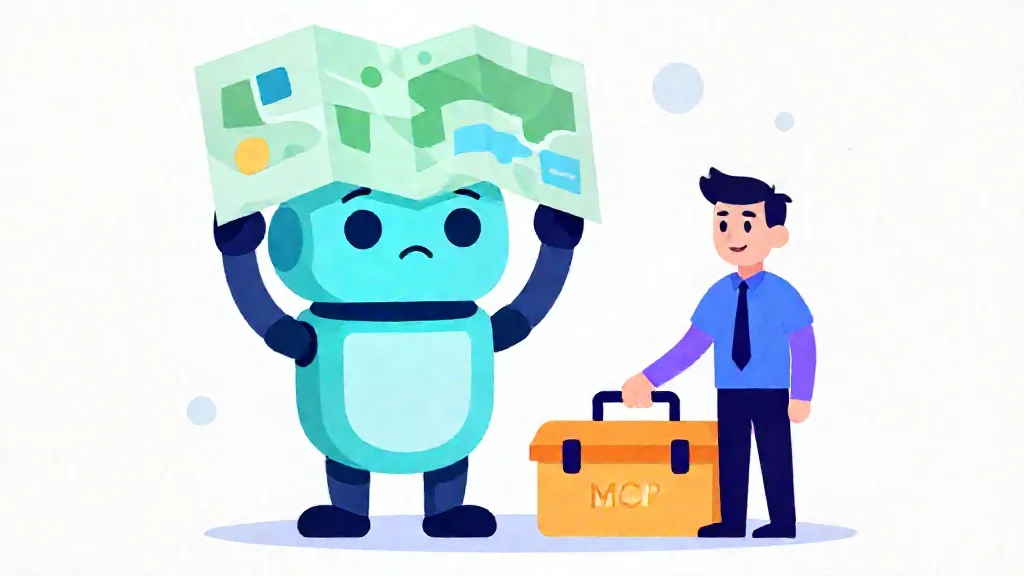
It kept forgetting what it did yesterday — so we wrote it a documentation hub with work logs and a backlog. It couldn't draw — so it got an image server. It couldn't read a PDF properly, draw a diagram or find a street on a map — you can guess the rest. By now we have written more than 15 MCP servers that give models new abilities. Some we use only internally; others are public, for example on our MCP tools page.
Who does what
The design is ours. What a product should do, how it is built and what it deliberately leaves out — that is decided by humans. We do talk it through with LLMs first: Claude, Gemini and a few others get to poke holes in our ideas, suggest alternatives and occasionally talk us out of a bad one. Excellent sparring partners. The decision stays with us.
Then Claude gets to work:
- Writes code. Features and fixes — including in the repository you just came from. Every change is reviewed and tested before it is merged, and the responsibility for what ships stays with us.
- Keeps the paperwork alive. Internal documentation, tickets, work logs and release notes are maintained through Claude, so they actually get written instead of just planned.
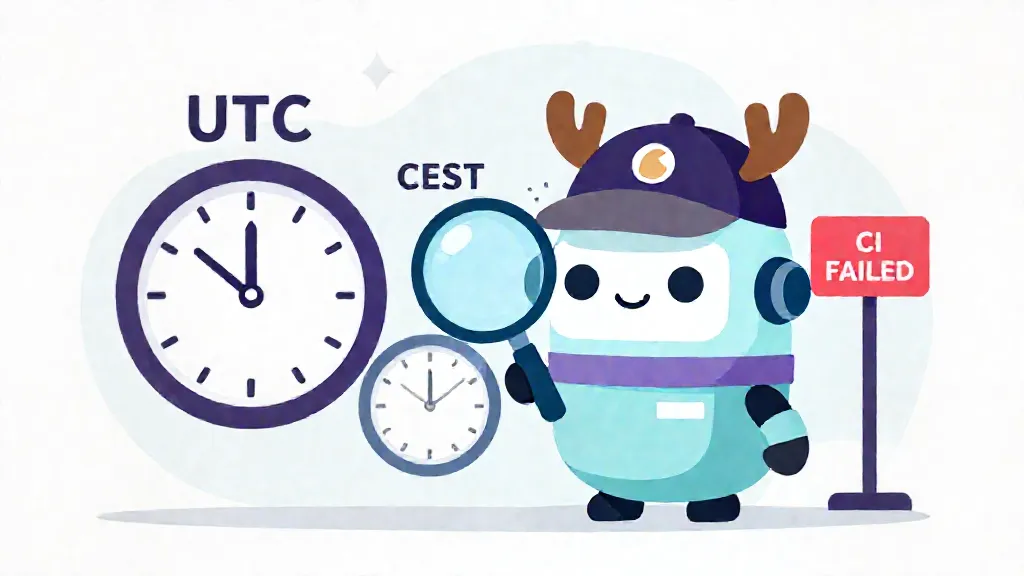
- Watches the build pipeline. When CI turns red, Claude digs through the logs. A favourite example: README images that were exactly two hours "late" because they were rendered in Central European Summer Time and checked in UTC.
Why we say so
Because there is nothing to hide. An LLM is part of our toolchain, like a compiler or a linter — just chattier, and considerably better at apologising. It makes us faster, and more thorough than we would bother to be alone. The bugs are still ours.
Questions? Write to mlcgo.eu@michael-lechner.de.